Stevia extract earns attention because it solves a familiar problem in food development: people still want sweetness, but many brands can no longer build every sweet product around sucrose. In beverages, dairy, bakery, confectionery, drink mixes, and supplements, the brief is often the same. Reduce sugar, keep the product enjoyable, and avoid an ingredient list that feels out of step with clean label expectations.
That is where stevia extract becomes useful. It is a plant derived, high intensity sweetener from Stevia rebaudiana leaves. Used well, it helps product teams lower sugar and calories while keeping a sweet profile. Used carelessly, it can taste thin, sharp, or delayed. The difference comes down to grade selection, blending, sensory work, and supplier support.
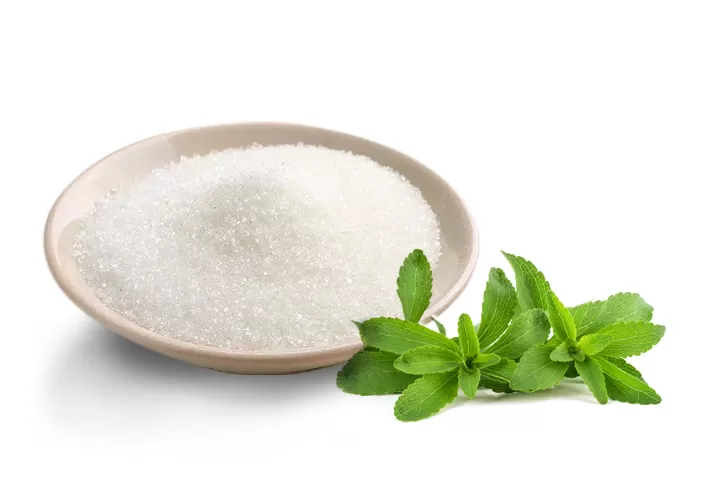
Sugar reduction is no longer a side project for a few diet products. It now touches mainstream drinks, children's dairy, snack bars, sauces, powdered beverages, and daily tabletop sweeteners. Consumers may not know the technical details, but they notice added sugar, calorie count, and whether the product still tastes like something they would buy again.
Stevia extract fits this shift because its steviol glycosides provide strong sweetness at low use levels. For buyers comparing stevia extract specifications, the useful question is not simply which grade is sweetest. The better question is which grade works in the finished product without creating extra masking, rework, or label risk.
Stevia extract replaces sweetness. It does not replace everything sugar does. Sucrose adds bulk, browning, body, viscosity, freezing behavior, and flavor roundness. Once that sugar is removed, a formula can expose rough edges that were hidden before.
A stevia project therefore starts with a product diagnosis. Is the drink too thin? Is the yogurt too tart? Does the bakery mix lose color? Does a powder blend disperse poorly? The answer shapes the sweetener system more than any generic dosage chart.
| Product issue | Why it happens | How stevia fits into the fix |
|---|---|---|
| Sweetness drops | Sucrose was carrying the main sweet profile. | Stevia restores sweetness intensity at low dosage. |
| Body feels thin | Sugar contributed solids and mouthfeel. | Stevia needs help from fibers, polyols, allulose, or texture systems. |
| Flavor feels sharper | Acid, bitterness, or protein notes become more obvious. | A better grade, flavor adjustment, or blend can soften the profile. |
| Label claims get harder | Sugar reduction must match nutrition and market rules. | Stevia can support low sugar or zero calorie sweetener concepts when the whole formula supports the claim. |
| Scale up becomes risky | A low dose ingredient can still affect taste if batches vary. | COA review, assay control, and sample to bulk matching matter. |
The sweet compounds in stevia extract are steviol glycosides. Reb A is widely used. Reb M and Reb D are often tested when a cleaner or smoother sweetness profile is needed. HuachengBio's stevia range includes RA 50 percent to 99 percent and RM 95 percent options, which gives formulators room to match the grade to the job.
Still, the finished product has the final vote. A grade that works in citrus water may not work in cocoa, yogurt, or a protein powder. Product teams should compare samples in the real matrix, at the intended serving size, after the expected process conditions.
Stevia extract is useful across many categories, but each category asks for something different. In beverages, clarity, acid balance, and flavor release usually matter most. In dairy and plant based products, protein, fat, fermentation notes, and mouthfeel can change how sweetness is perceived.
In bakery and confectionery, stevia can reduce the sugar load, but teams still need to rebuild structure, chew, browning, or release. In supplements and drink mixes, low use levels are helpful, but powder flow, dosage accuracy, and flavor masking become part of the work.
| Category | Useful role for stevia | What to test |
|---|---|---|
| Ready to drink beverages | Lower sugar sweetness without major calorie contribution. | Acidity, aroma lift, clarity, and lingering notes. |
| Dairy and plant based dairy | Sweetness support in yogurts, flavored milk, and desserts. | Protein interaction, sourness, fat level, and flavor masking. |
| Bakery | Sweetness reduction in cakes, cookies, bars, and mixes. | Bulk, moisture, browning, and texture. |
| Candy and lozenges | Sweetness in reduced sugar or functional formats. | Crystallization, cooling effect, release, and chew. |
| Powdered supplements | Compact sweetness in small serving sizes. | Flowability, dispersion, active ingredient bitterness, and flavor carry. |
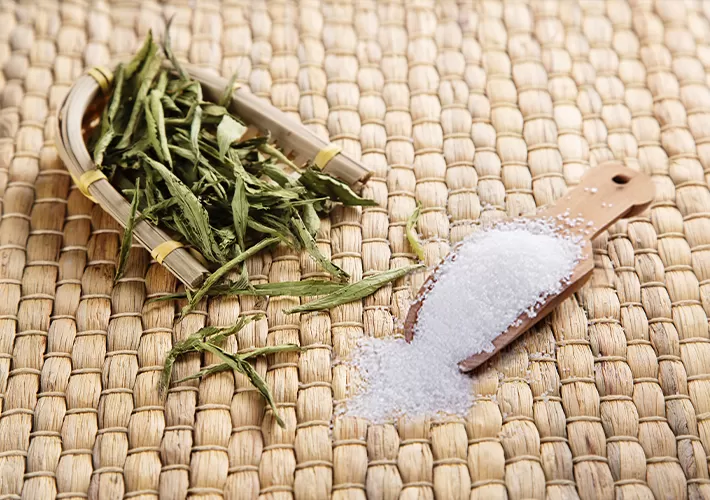
Stevia can do a lot, but it does not need to work alone. Erythritol can add bulk and a familiar crystalline format. Allulose can help body and browning in some products. Fibers and hydrocolloids can rebuild texture. Monk fruit extract can round the sweetness profile and support a broader natural sweetener story.
For product teams working through several trial rounds, pairing H2-Via Stevia Extract with monk fruit extract or a monk fruit blend sweetener can shorten the path to a cleaner sweetness curve. A full sugar reduction solution is often the better conversation when the product needs sweetness, body, and label clarity at the same time.
A supplier should make formulation work easier instead of treating the project as a powder quote. Before bulk purchase, the R&D and procurement teams should agree on the approved sample, target use level, sensory benchmark, required documents, and the specification that will apply to future shipments.
For quality review, ask for COA, specification sheet, assay method, allergen statement, non-GMO information, microbiological limits, heavy metal limits, and any Kosher, Halal, ISO, or food safety documents needed by the customer. HuachengBio's quality assurance and quality control capability and integrated industry chain give buyers a more complete basis for that review.
| What to send | Why it helps |
|---|---|
| Product category and flavor | A cola, yogurt, biscuit, and protein powder need different sweetener choices. |
| Target sugar reduction | Partial reduction and sugar free development create different formulation gaps. |
| Processing conditions | Heat, pH, mixing, drying, and storage can change the final taste. |
| Label and certification needs | These decide which documents and specifications are needed before approval. |
| Benchmark product | A real comparison sample makes sensory feedback much clearer. |
| Pilot timeline | The supplier can plan sample size, lead time, and bulk availability. |
HuachengBio is useful when a stevia project may need more than one sweetener route. Its natural sweetener and plant extract portfolio includes stevia extract, monk fruit extract, monk fruit blend sweeteners, concentrated juice, sweet tea extract, instant tea powder, and application oriented options.
That range lets a buyer compare taste, label fit, cost in use, documentation, and supply planning without treating stevia as an isolated ingredient. Teams preparing a new brief can review the company's manufacturing background, then use the contact page to request samples and technical support.
Send HuachengBio your product category, flavor target, sugar reduction goal, processing conditions, label needs, and documentation requirements. The team can help compare H2-Via Stevia Extract, monk fruit options, blends, and broader sugar reduction systems before pilot testing.
Contact HuachengBio for samples and quotationStevia extract comes from Stevia rebaudiana leaves. For commercial food use, buyers should focus on high purity steviol glycosides that meet the rules of the target market.
Stevia sweeteners are commonly around 200 to 350 times sweeter than sucrose, depending on glycoside profile and purity. Final dosage still needs product testing.
It can replace sweetness, but not all of sugar's physical work. Bakery formulas usually need a bulking or texture system to restore structure, browning, and bite.
Reb A is widely used and often cost effective. Reb M is usually tested when a cleaner, smoother sweetness profile is worth the added cost.
Ask for samples, COA, specification sheet, test method, allergen statement, non-GMO information, certification documents, and guidance for the target application.
Stevia extract works best when teams treat it as part of a formula, not as a magic sugar swap. Match the grade to the product, test the blend in the real matrix, and qualify the supplier before scaling.







 EN
EN EN
EN CN
CN ES
ES PT
PT SV
SV DE
DE TR
TR FR
FR AR
AR BG
BG HR
HR CS
CS DA
DA NL
NL FI
FI EL
EL HI
HI IT
IT JA
JA KO
KO NO
NO PL
PL RO
RO RU
RU CA
CA TL
TL IW
IW ID
ID LV
LV LT
LT SR
SR SK
SK SL
SL UK
UK VI
VI SQ
SQ ET
ET GL
GL HU
HU MT
MT TH
TH FA
FA AF
AF MS
MS GA
GA BE
BE UZ
UZ